
Optimal Timing for Fire Restorations
Determining the optimal time for fire restorations involves considering seasonal weather patterns, fire activity levels, and property usage. Typically, the most effective periods are during the cooler, drier months when environmental conditions facilitate safer and more efficient restoration work.
Restoration is often best during fall and winter when lower humidity reduces mold growth and moisture-related issues after fire damage.
Periods of lower fire activity, usually in late fall or early winter, allow for quicker response and less interruption from ongoing fire risks.
Restoring properties during off-peak times minimizes disruption to residents and businesses, making winter months ideal.
Dry weather reduces complications related to water damage and mold, promoting a safer restoration process.
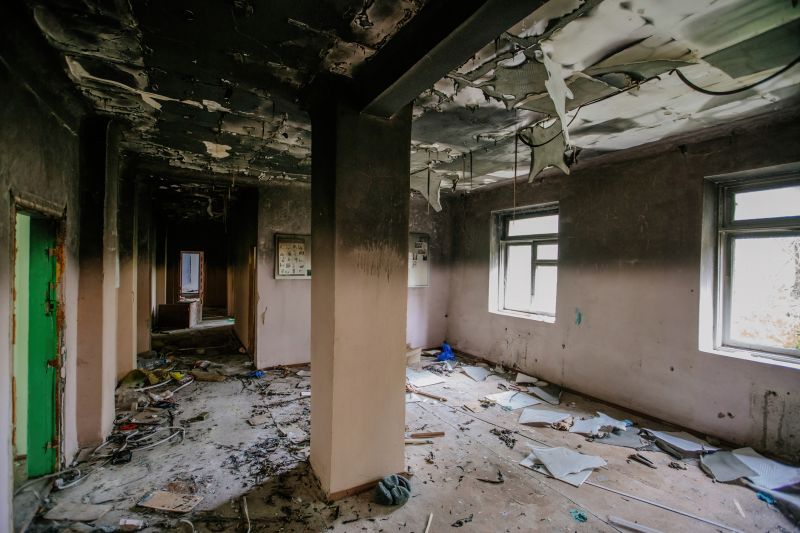
Ways to make Fire Restorations work in tight or awkward layouts.
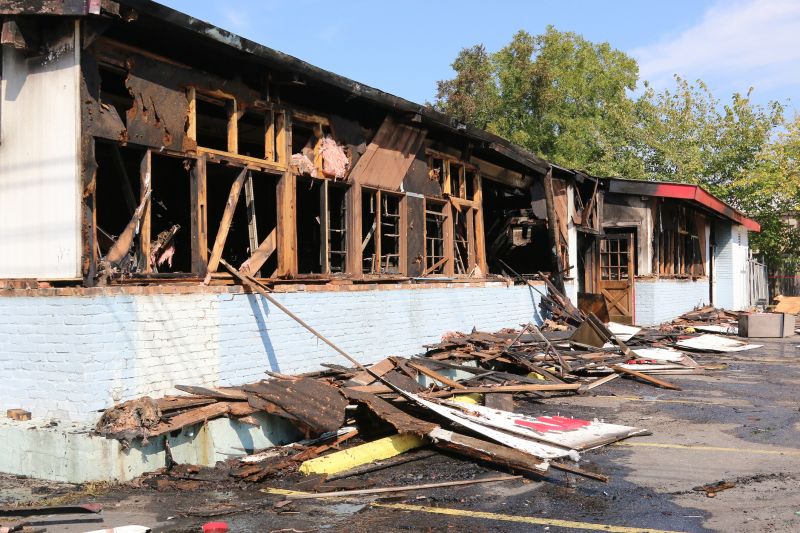
Popular materials for Fire Restorations and why they hold up over time.
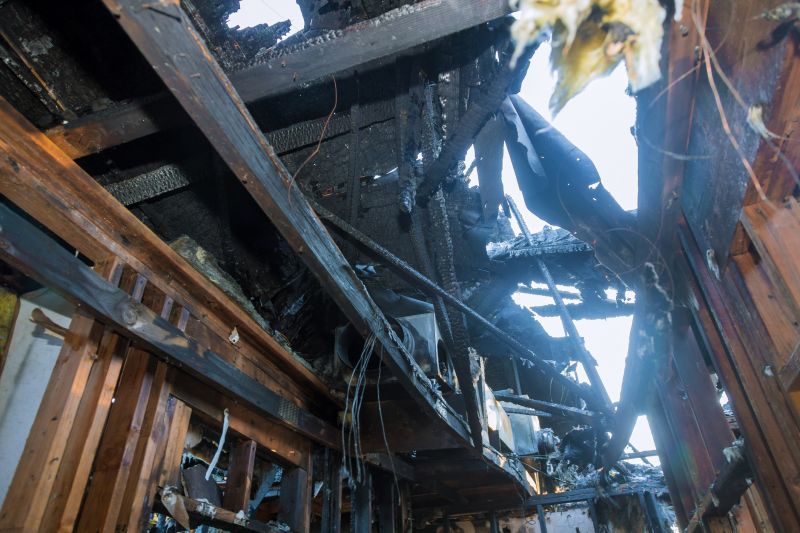
Simple add-ons that improve Fire Restorations without blowing the budget.
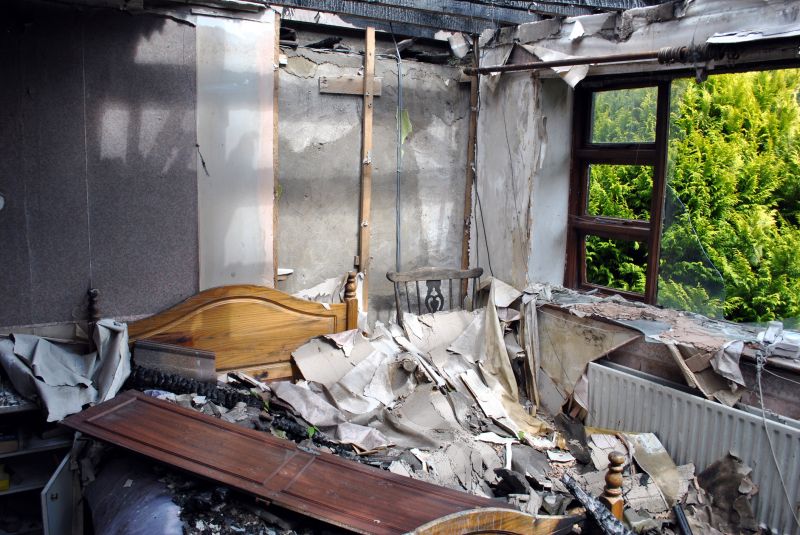
High-end options that actually feel worth it for Fire Restorations.
| Factor | Best Time to Act |
|---|---|
| Weather Conditions | Fall and winter |
| Fire Season Activity | Late fall to early winter |
| Environmental Factors | Dry months |
| Property Use | Off-peak seasons |
| Insurance Processing | Outside peak seasons |
| Moisture Control | Dry weather periods |
| Availability of Resources | Off-peak times |
| Safety Considerations | Cooler months |
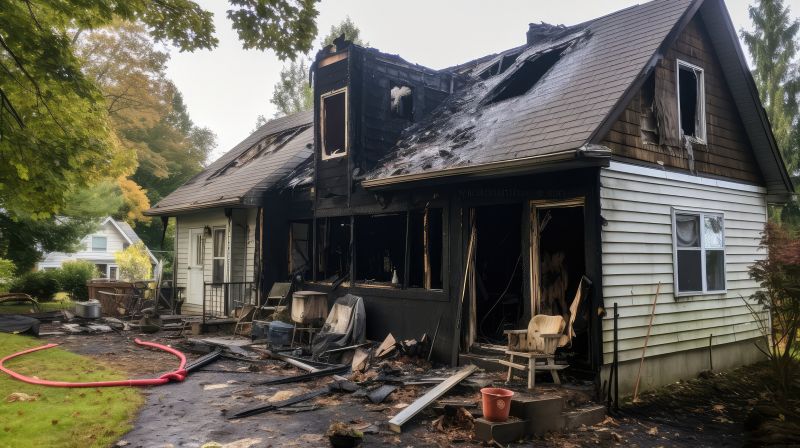
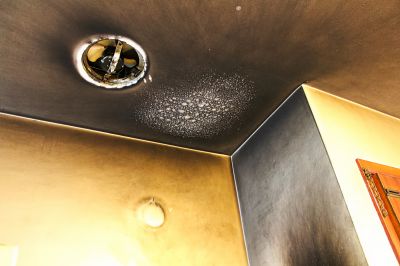
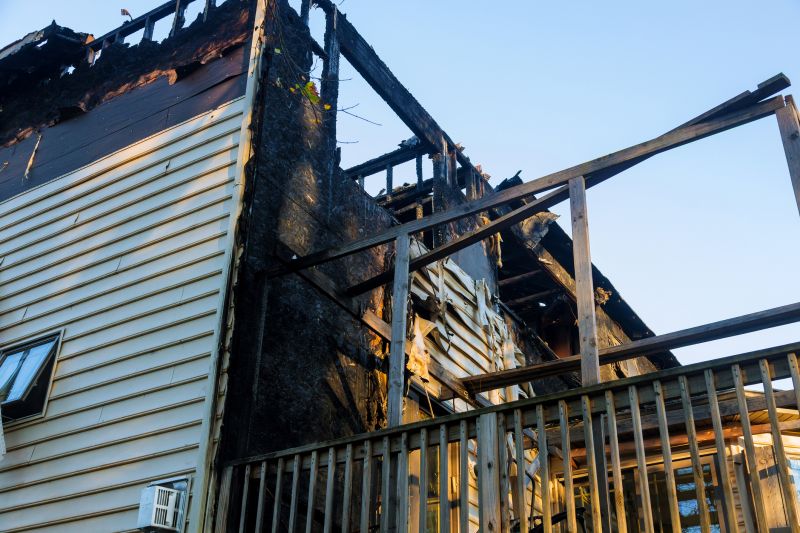
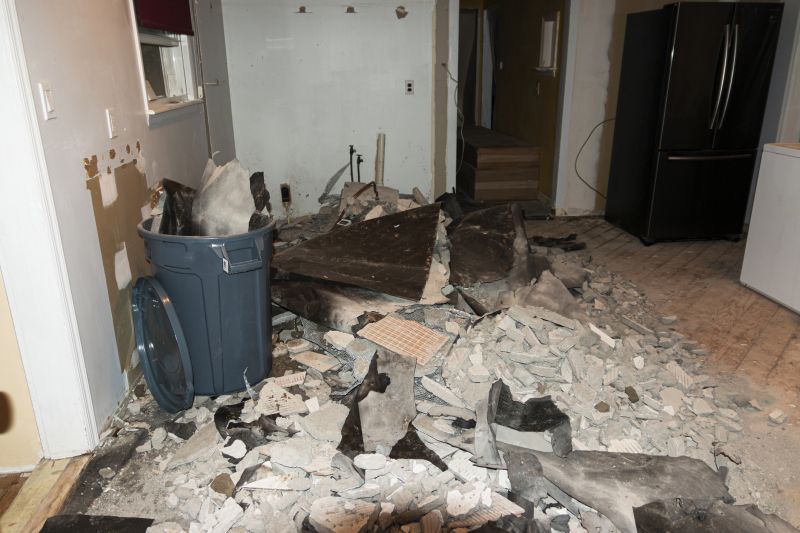
Fire restorations involve specialized procedures to repair and rehabilitate properties affected by fire damage. This process includes debris removal, smoke and soot cleaning, structural repairs, and odor mitigation. Timely restoration minimizes secondary damages such as mold growth and structural deterioration, ensuring the property's safety and integrity.
Finishes and colors that play nicely with Fire Restorations.
Little measurements that prevent headaches on Fire Restorations day.
A 60-second routine that keeps Fire Restorations looking new.
A frequent mistake in Fire Restorations and how to dodge it.
Individuals interested in fire restorations are encouraged to contact for more information. Proper timing and professional intervention can significantly improve outcomes and reduce long-term damage.