
Top-Rated Fire Restoration Tools And Materials For Effective Cleanup
Equip yourself with high-performance products that facilitate thorough fire damage removal and property restoration.
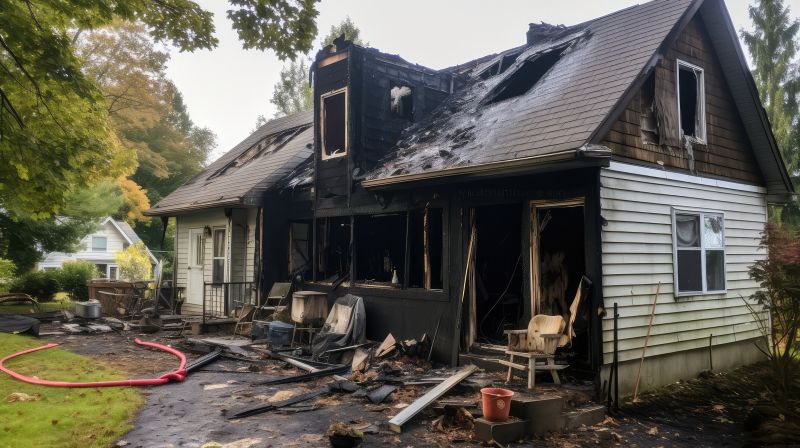 Fire restoration products are essential tools and materials used to mitigate damage caused by fires and to facilitate the restoration process. When dealing with fire damage, it is crucial to address issues such as smoke residue, soot, odors, structural integrity, and water damage resulting from firefighting efforts. Proper selection of restoration products can help restore safety and cleanliness to affected areas, ensuring that spaces are returned to a safe and habitable condition.
Top Overall Option
Multi-Purpose Fire Damage Restoration Kit
A comprehensive kit containing an array of cleaning agents, odor neutralizers, and protective gear designed to tackle various aspects of fire damage restoration. Ideal for both professional and DIY projects, it offers versatile solutions to address soot removal, smoke odor elimination, and surface cleaning efficiently.
Types of Products For Fire Restorations
Soot and Smoke Cleaners
Specialized cleaning agents formulated to remove soot and smoke residues from surfaces and materials.
Odor Neutralizers
Products designed to eliminate persistent smoke odors from indoor spaces and furnishings.
Air Scrubbers and Filtration Systems
Equipment used to purify the air by removing airborne contaminants and particulates.
Dehumidifiers and Moisture Meters
Tools to control and measure moisture levels, preventing mold growth and further damage.
Fire-Resistant Drywall and Insulation
Materials that provide enhanced fire resistance for rebuilding efforts.
Water Extraction and Drying Equipment
Machines designed to remove water used in firefighting and dry out affected areas.
Protective Clothing and Respirators
Personal protective equipment to ensure safety during cleaning and restoration.
Surface Sealants and Primers
Products used to seal surfaces before repainting or refinishing to prevent smoke stains and odors.
Structural Repair Materials
Plywood, framing, and other materials for rebuilding damaged structures.
Electrical and Wiring Safety Kits
Tools and materials for safe electrical repairs post-fire damage.
Fire-Resistant Coatings
Protective coatings applied to surfaces to enhance fire resistance.
Cleaning Cloths and Scrubbing Pads
Durable tools for manual cleaning of soot and residues.
Popular Choices
Effective solutions for neutralizing lingering smoke smells in indoor environments.
High-capacity systems designed to improve air quality during restoration projects.
Powerful cleaners formulated for removing soot and grime from various surfaces.
Tools that help identify hidden water damage and monitor drying progress.
Building material options that provide added safety during reconstruction.
Equipment used to efficiently remove excess water after firefighting.
Safety gear essential for workers handling soot and chemical cleaners.
Products that absorb and neutralize odors in confined spaces.
Sealing products used to lock in smoke stains and odors before repainting.
Coatings designed to enhance the fire resistance of surfaces.
Manual tools for scrubbing soot from surfaces without damage.
Sprays formulated to freshen indoor spaces affected by smoke.
Materials used to reinforce or replace compromised structural elements.
Tools to assess electrical systems before restoring power.
Protective coatings to improve material resistance to future fires.
Essential tools for manual cleaning and surface preparation.
Restoration often begins with cleaning and deodorizing surfaces affected by smoke and soot. Specialized cleaning agents and degreasers are designed to penetrate and lift stubborn residues without damaging underlying materials. Air scrubbers and filtration systems play a vital role in removing airborne contaminants and smoke odors, improving indoor air quality during the restoration process.
Structural repairs and materials are also critical components. Fire-damaged drywall, wood, and insulation may need to be replaced or treated to prevent mold growth and further deterioration. Additionally, moisture meters and moisture barriers are used to assess and control water levels, which is particularly important after firefighting efforts. Proper use of these products ensures a thorough and effective restoration, minimizing long-term issues and restoring the integrity of the building.
Overall, selecting the right products for fire restoration involves understanding the scope of damage, the materials involved, and the specific challenges faced during cleanup. Investing in high-quality, appropriate tools and supplies can make the restoration process more efficient and effective, ultimately helping property owners and restoration professionals achieve optimal results.
Key Buying Considerations
- Assess the extent of fire and smoke damage to determine necessary products.
- Choose products compatible with the surfaces and materials involved in the restoration.
- Prioritize safety features such as non-toxic ingredients and proper certifications.
- Consider the size and capacity of equipment like air scrubbers and dehumidifiers for your space.
- Evaluate the effectiveness of odor neutralizers in eliminating persistent smells.
- Ensure cleaning agents are suitable for use on delicate or sensitive materials.
- Look for versatile products that can address multiple issues such as soot, odors, and moisture.
- Check for ease of use and application, especially for DIY restorations.
- Consider the availability of replacement parts and consumables for equipment.
- Review product reviews and ratings to gauge reliability and performance.
- Determine if protective gear is comfortable and provides adequate safety during use.
- Evaluate the drying capabilities of moisture removal equipment to prevent mold growth.
- Select products with clear instructions and safety data sheets.
- Think about budget constraints while balancing quality and effectiveness.
- Research local suppliers or availability in Fort Walton Beach, FL for timely access.